How to keep a commonplace book (and actually keep using it)
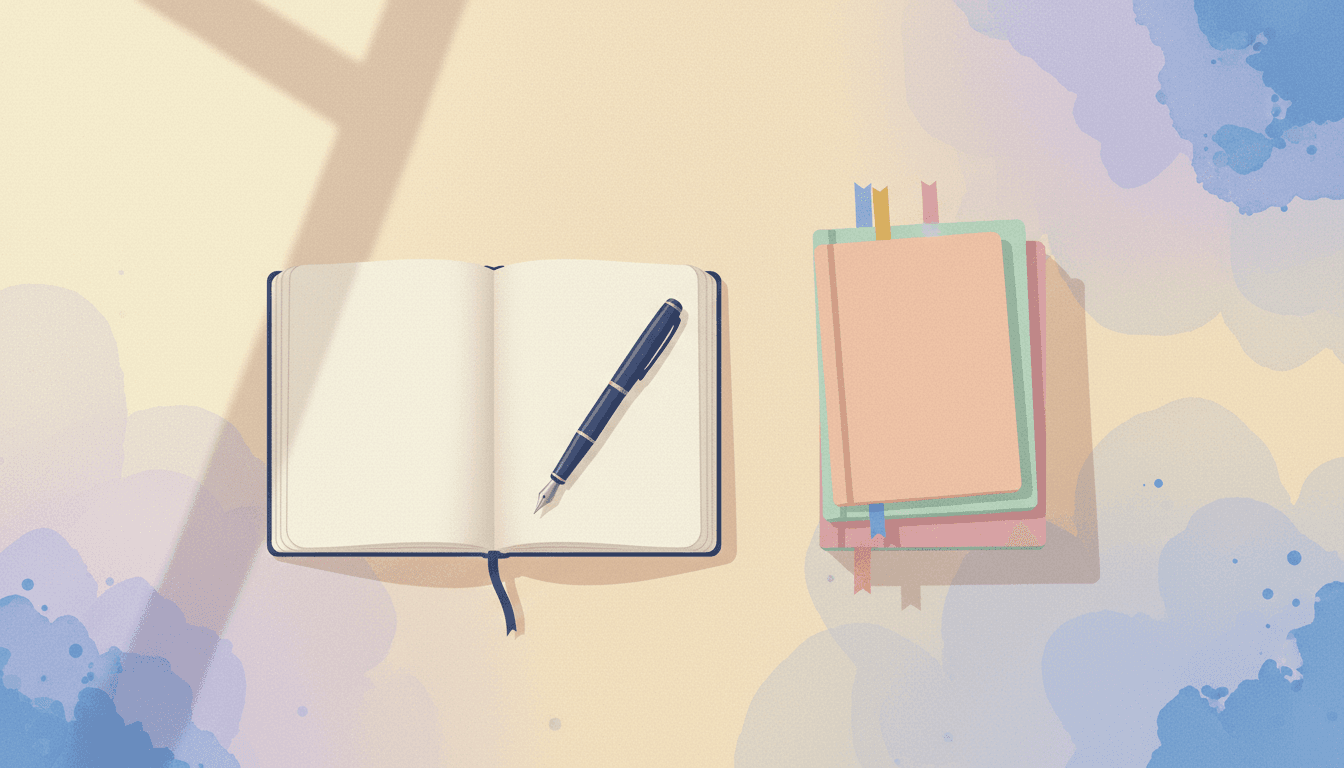
Somewhere on my shelf there is a book with a sentence underlined that genuinely shifted how I thought about something at the time. I could not tell you which book it was. That is the whole problem, really. You read something good, it lands, and then it goes back on the shelf with the line still trapped inside it, and a year later all you have left is a vague sense that it mattered.
A commonplace book is the old fix for that, and learning how to keep a commonplace book is mostly about getting one small habit to stick. It is just a single place where you copy out the bits worth keeping. A quote, a paragraph that changed your mind, a sentence you want to borrow later. People kept them for centuries, long before anyone started calling it a second brain.
What a commonplace book actually is
The short version is that it is a personal collection of other people's words, gathered in one place and filed so you can find them again. It is not a diary, where you write about your day, and it is not reading notes, where you summarise a chapter so you understand it. A commonplace book is lighter than both. You read, something catches, you copy it out roughly as it was written and move on.
Historically people kept them in a notebook, with an index at the front so a quote about, say, patience could be found months later. The writer and the format have changed, but the habit has not. You are gathering the lines that struck you, from books but also from a podcast, a film, a conversation that stuck.
That is the whole idea. It sounds almost too simple to bother with, which is exactly why most people never start.
Why keep one at all
The honest answer is that reading without keeping anything is a bit like having a good conversation and remembering none of it the next week. You got something from it at the time. A month later you would struggle to say what.
A commonplace book fixes three things for me. First, you can actually find the line again, which matters more than it sounds when you want to quote something and can only recall that it was "in a blue book, somewhere near the end". Second, the entries start talking to each other. A thought from a novel sits next to one from a business book and you notice a link you would never have seen with the two still inside their separate covers. Third, it quietly changes how you read. When you know you are keeping the best bits, you read a little more deliberately, pen in hand, looking for them.
None of that requires a special app or a system with a name. It requires you to write things down in one place and go back to them.
A highlight marks where your attention went. A commonplace book is where it actually stays.
How to keep a commonplace book without it becoming a chore
This is where most attempts die. People build an elaborate setup, use it for a fortnight and quietly abandon it. The trick is to keep the habit frictionless enough that you will still be doing it in a year. Here is the version I have landed on after a few failed ones.
- Keep everything in one place, not five. One notebook, or one note, or one document. The moment your quotes are scattered across three apps and a stack of Post-its the whole point is gone, because finding the line later is the point.
- Capture as you go and tidy later. Do not stop reading to format a perfect entry. Mark the passage, or dump it into your one place fast and messy, and clean it up when you next sit down. A task you can do in ten seconds is one you will keep doing.
- Add just enough structure to find things. You do not need the full Locke index from the 1600s. A rough tag or two per entry, or a handful of topic headings, is plenty. I would rather have a slightly messy collection I actually search than a beautiful one I am too precious to add to.
- Revisit it on purpose. A commonplace book you never reopen is just a tidier shelf. Once a month, or whenever you are stuck on something, read back through a section. This is the step everyone skips and the one that makes the rest worth it.
- Write the source next to the quote. Book, author, page if you have it. Future you will want to find the original, and hunting down an unattributed line is miserable.
Start smaller than you think. One notebook, the next good sentence you read, this week. You can always grow the system once the habit is real.
Paper or digital, and the honest tradeoff
People want a clean answer here and there is not one. I have tried both and landed somewhere in the middle.
Paper feels good. There is something about copying a sentence out by hand that makes it stick, and a physical commonplace book is a lovely object to keep. The problem is that paper dead-ends. You cannot search it, you cannot back it up, and if you lose the notebook you lose years. Digital is the opposite. It is searchable and it syncs, but typing quotes in is slow and dull enough that I stopped doing it more than once.
What I actually do now is read on an iPad with colour-coded highlights, and move the lines that really matter into Notion, tagged loosely so I can find them. It is not perfect. The copying step is still the bit I am most likely to skip on a tired evening. But it keeps the collection searchable and backed up, which for me beats the feel of the paper version.
The one place it still breaks: physical books
Here is the gap I kept hitting. A lot of my best reading happens in physical books, and a physical book is exactly where the commonplace habit falls apart. You cannot copy and paste a paper page. So you underline the line, promise yourself you will type it up and never do. The best sentences stay trapped on the shelf, which is where this whole thing started.
That specific frustration is why I am building annote. You photograph a highlight in a paper book, it reads the text off the page and turns it into a card you can search, tag and review, the way Readwise does for Kindle. It is still coming, and I mention it here mostly because it is the honest reason I have thought so hard about any of this. You do not need it to start a commonplace book. You need a notebook and the next good line you read.
If there is a line you half remember and cannot place, that is as good a reason to start as any. Pick the book it came from, find the sentence and copy it out. That is the whole habit. Everything after that is just keeping it going.
annote
Your paper books, remembered. Snap a highlight and annote turns it into a card you can search and review, so the best lines don't stay trapped on the shelf.


More from the devlog.
How to take hair loss progress photos you can actually compare
Most hair loss progress photos can't be compared because the light, angle and hair change every time. Here is the setup that makes them comparable: four angles, soft daylight, dry hair, once a week.
Does Oura track your alcohol intake? What a ring can and can't do
Your Oura ring or Whoop can show you what a night of drinking cost you, but it can't count what you actually drank. Here is the difference, and how to track your intake properly.